
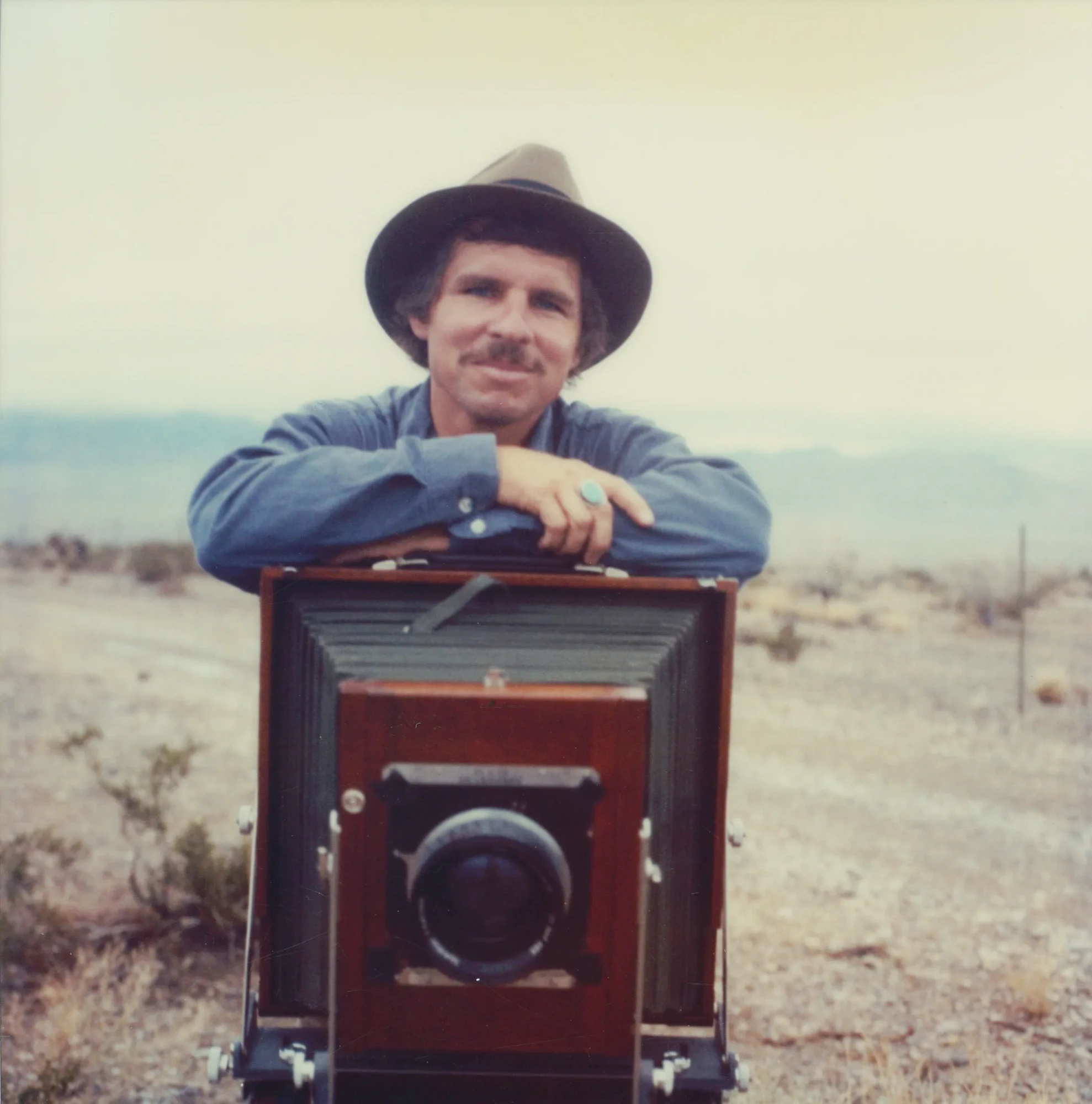
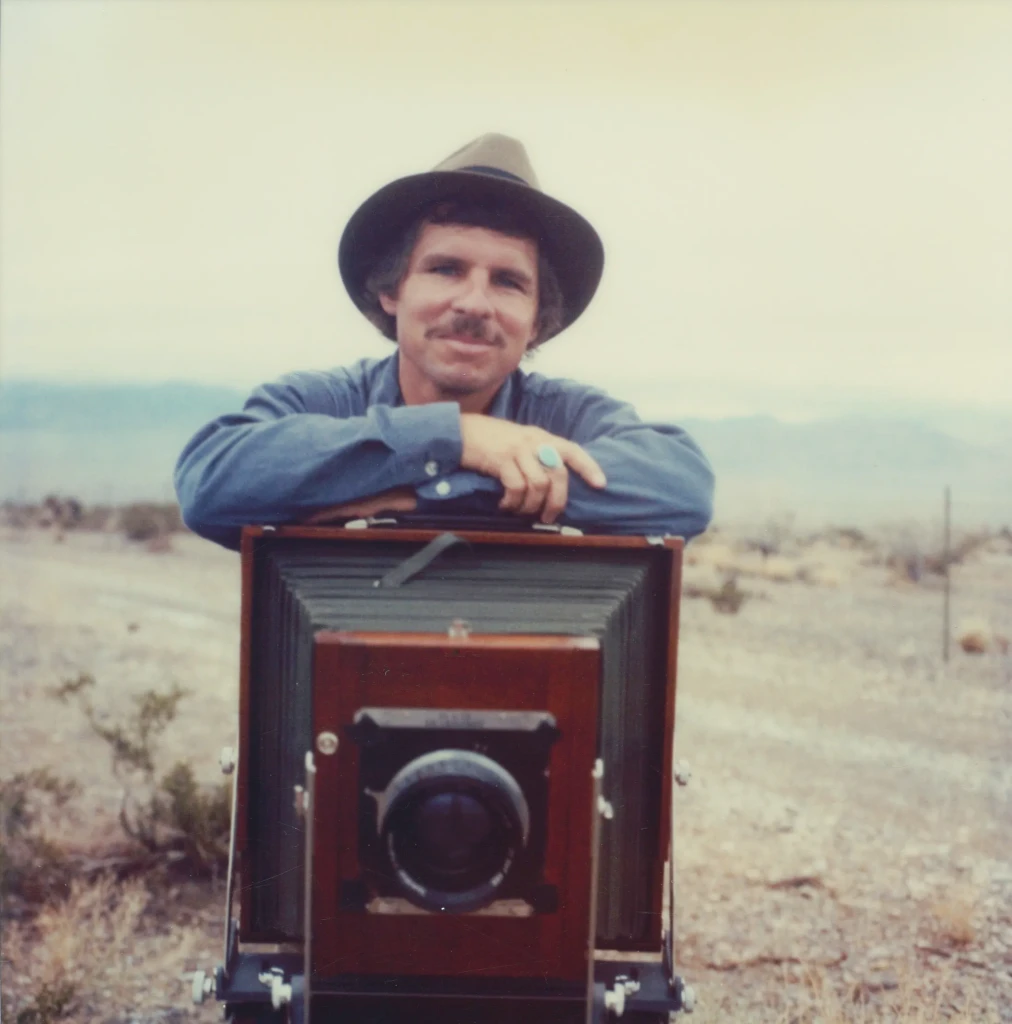
Gary Edward Adams (1943–1993) was a celebrated landscape photographer of the American Southwest and a distinguished medical professional. Born and raised in Los Angeles, he enlisted in the Navy and served in Vietnam before earning a PhD in Exercise Physiology from Southern Illinois University. He later served as an associate professor at Wake Forest University in North Carolina and at the University of Nevada School of Medicine in Las Vegas. In 1988, he was appointed to the faculty at the University of Nevada, Las Vegas (UNLV) as curator of photography at the Marjorie Barrick Museum of Natural History.
In the late 1970s, Gary Adams pursued his passion for photography when he connected with master photographer Ansel Adams (1902-1984) and participated in his Yosemite and Friends of Photography Workshops, where Ansel mentored his students, lectured, and conducted fieldtrips. Gary Adams was grateful when he received a personal portfolio review by Ansel Adams at his Carmel home endorsing his skill as a landscape photographer.
Working from his home base in Las Vegas, a city that put him at the doorstep of the desert landscapes he loved, Gary Adams devoted himself to documenting the grandeur of the American Southwest, from the Grand Canyon to Zion National Park to the Mojave Desert.
In 1987, Adams established the Mojave Desert Photographic Project for the Smithsonian Institution in cooperation with UNLV. To document the Mojave Desert, Adams took photographs with a specially made large-format field camera that uses 20-by-24-inch negatives. Adams explained that “such a camera would produce prints large enough to do justice to the scale of the land and of a reality that would preserve the clarity of light on the land.”
Adams had developed a friendship with Rita Deanin Abbey, who was professor of art at UNLV from 1965 to 1987. Their friendship was rooted in a shared artistic devotion to the landscapes of the Southwest. Adams brought a photographer’s precision and reverence for place to every image he made. His portraits of Abbey carry that same quality of attentiveness, revealing not only the subject but the spirit of the spaces she inhabited.
In 1987, over a period of two days, Adams photographed Abbey using two different historic approaches: The first was contact portraits using an 8 x 10 traditional view camera that is characterized by very sharp and careful focus, heightened contrast, and precise exposure. Adams used similar techniques to capture expansive vistas and fine details in the desert landscape. The second group was 35mm images inspired by the painterly pictures of historic “pictorialism” that moved him to “create” expressive tones rather than merely “record” the subject. With an artistic approach, he selectively lightened or darkened specific areas to change contrast, depth, and focus.
This exhibition celebrates Adams’s pursuit of both styles of photography, with Abbey as the central subject. These intimate views of the artist in her home and studio convey an artistic interpretation of the ambiances and spirit of the spaces.
This exhibition is made possible through the generous donation of Gary Adams’s photography to the Rita Deanin Abbey Art Museum by his wife, Melissa Kelly Adams.